
BLOG
Latest Posts and Articles
-
The Freight Profit Playbook: How to Choose, Price, and Automate Shipping for Bulky E-commerce
.
Introduction: The Unprofitable Sale You have successfully secured a large sale, but the reality is your profit margin is still bleeding out. This happens because the quoted shipping rate and the final carrier invoice rarely match. For e-commerce stores dealing with bulky, oversized, or non-standard products—like specialized furniture, large outdoor equipment, or heavy machinery parts—shipping…
-

ERP or PIM? What Growing eCommerce Stores Really Need for Product Listing
.
Introduction Product listing feels simple when you’re just getting started. A few products, a few descriptions, and everything stays under control. But as your catalog grows and you start selling on more channels, the process quickly turns into something that demands constant attention. One update doesn’t sync to another platform. A marketplace rejects a listing.…
-
How to Prevent Traffic and Revenue Loss During Your eCommerce Migration
.
Introduction Replatforming your ecommerce store feels like a fresh start. You imagine a sleek new site design, a fully integrated backend, and a website that finally loads fast on every device (see our guide on why growing ecommerce needs ERP integration). Most store owners focus on these improvements—what they can see and touch. Better product…
-
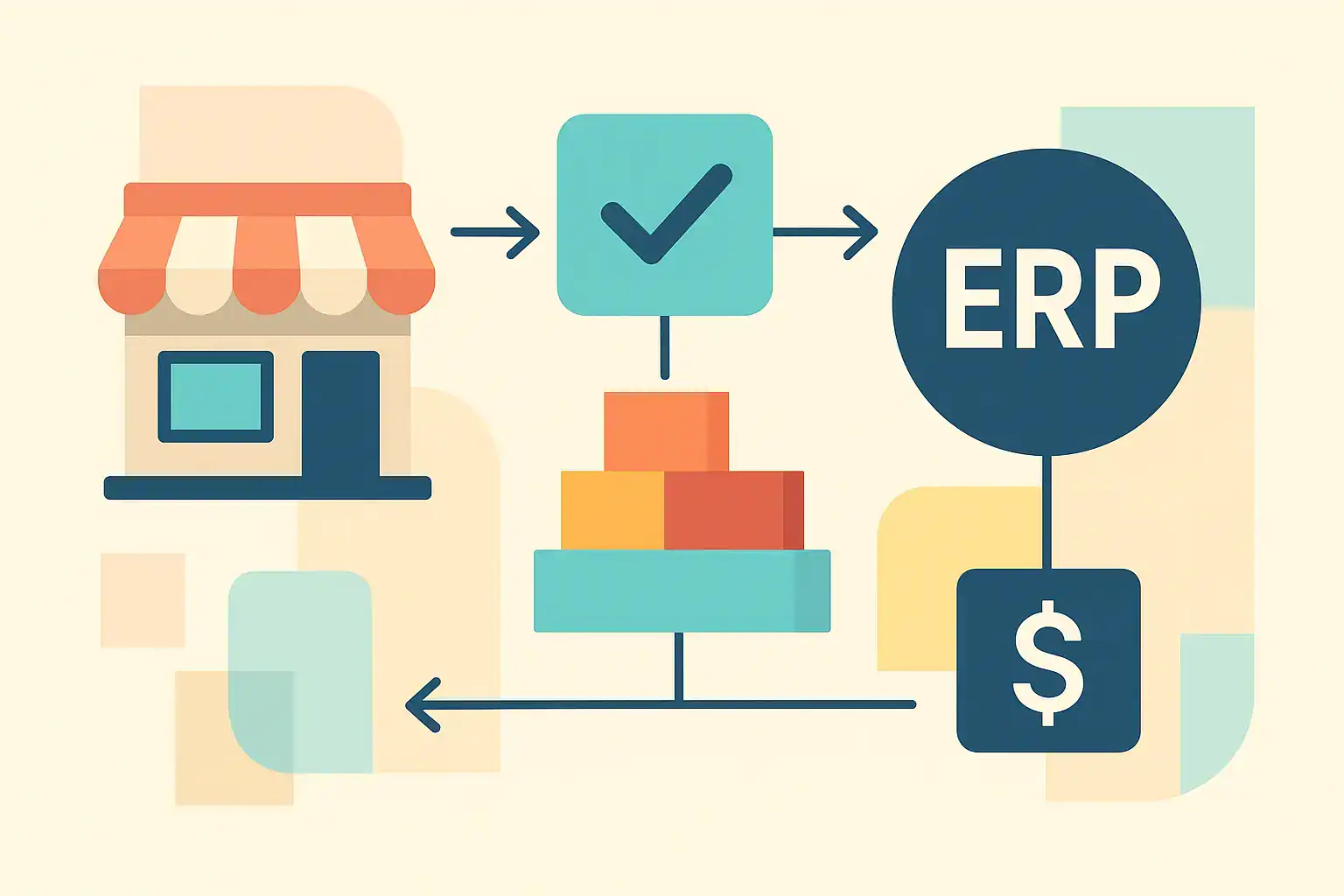
Odoo for eCommerce and Retail: An Objective Guide for Small and Growing Online Stores
.
Introduction — Where Odoo Fits in the eCommerce Landscape Whether you’re setting up your first online store or you already run a Shopify, WooCommerce, or marketplace-based operation, the question eventually arises: “Is Odoo a viable e-commerce platform for my business?” It’s a fair question—because Odoo sits in an unusual spot in the e-commerce world. Unlike…
-
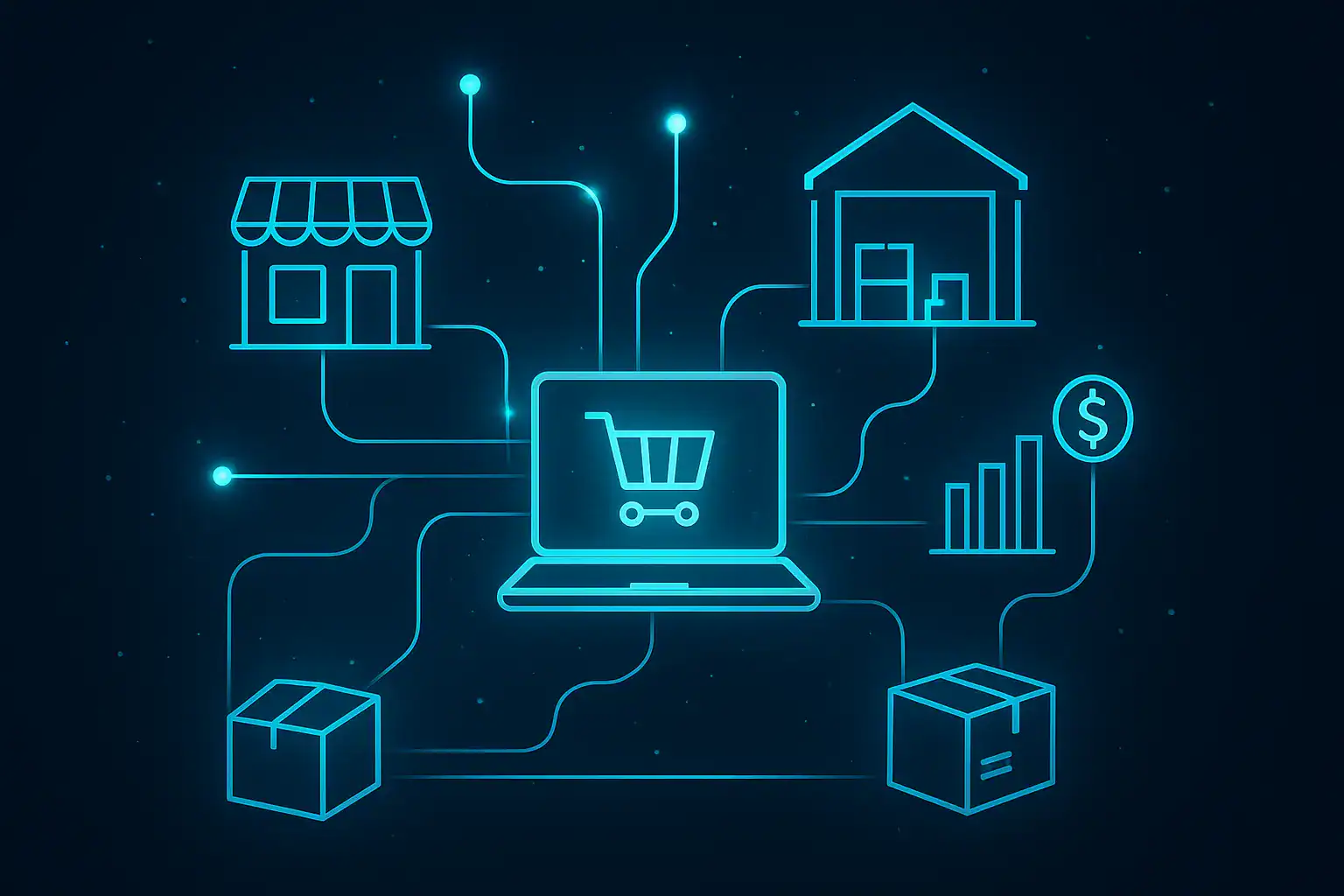
ERP for Ecommerce: When Your Store Actually Needs One
.
Introduction An ERP for ecommerce is a single system that connects your storefront, inventory, orders, and accounting so they update together instead of separately. You need one once manual reconciliation between your store and your spreadsheets, or between two or more sales channels, starts costing more time than it saves — typically once you add…
-

Odoo POS Fiscalization in Austria: Automating Receipt Signing with Fiskaly Integration
.
Introduction: Making Odoo POS RKSV-Compliant with Fiskaly Integration In Austria, every point-of-sale (POS) system must comply with the Registrierkassensicherheitsverordnung (RKSV) — a fiscalization law requiring all receipts to be digitally signed and securely stored in a tamper-proof system. This ensures every sale is traceable and auditable, protecting both consumers and tax authorities from manipulation or…