
CURRENTLY TAKING NEW PROJECTS
Odoo implementation for ecommerce and retail operations
Built for operators between $2M and $10M who run more channels — and more complex products — than their systems can keep straight, and who don’t have an IT department to hand it to.
Most implementations run $15,000–$60,000. Smaller fixed-scope builds from $5,000.
The Boutique Advantage
Direct-to-Expert Collaboration
You don’t talk to account managers or non-technical project managers. You work directly with the senior engineer designing and building your system — from the first scoping call through to the week after go-live.
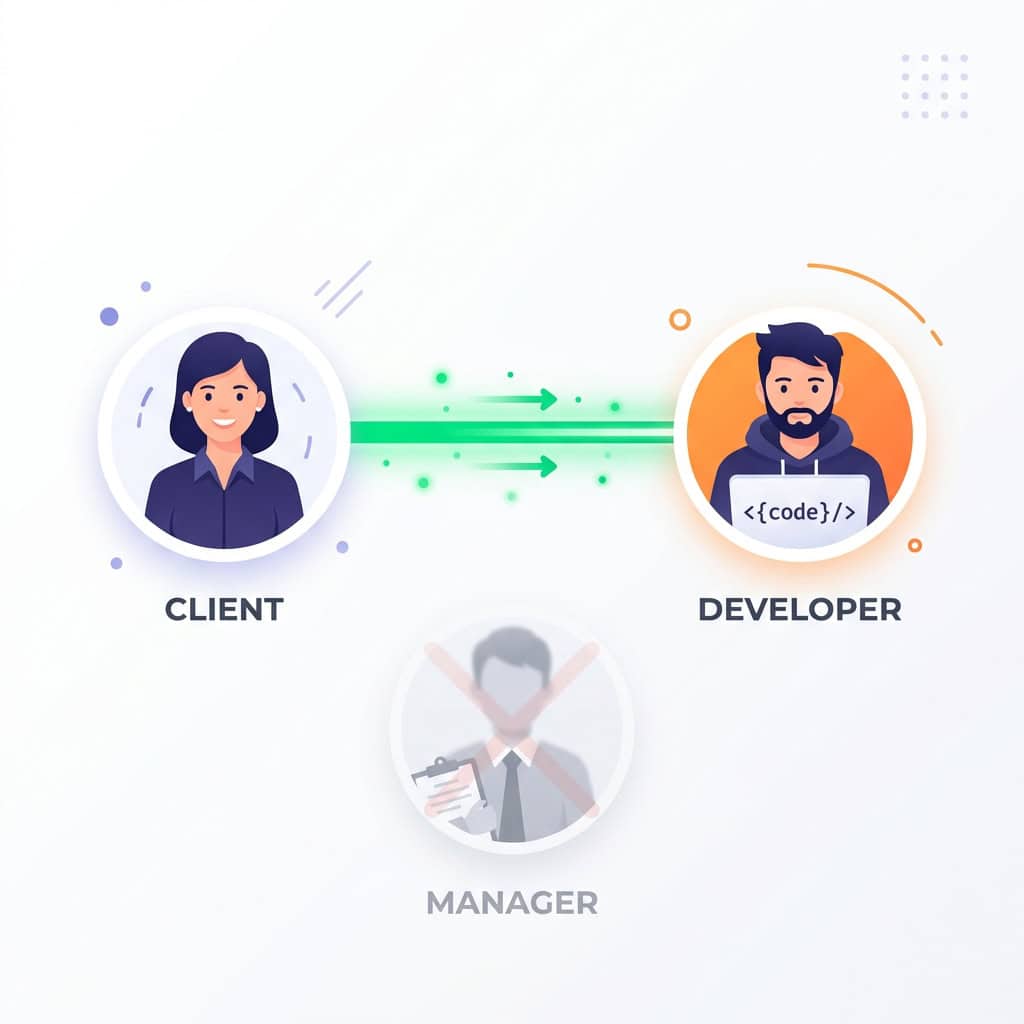

Small Team, Short Path
No management layer between the requirement and the code. Decisions get made in the same conversation they’re raised in, which is most of why our projects land faster than agency timelines suggest.

Operations-First Architecture
We aren’t software installers. We map how your warehouse, channels and fulfilment actually work before deciding what the system should enforce — because the software is rarely the hard part.
What we build

CHANNELS
One stock number, every channel
Your storefront, marketplaces and wholesale orders reading from one inventory record instead of four. Custom API integrations and webhooks where the standard connectors fall short.
FULFILMENT
Freight that quotes itself
Rule-based freight classification with live parcel, express and LTL rates at checkout. Built for bulky and oversized goods where a flat shipping rate quietly costs you margin on every order.

PRODUCTS
Configurable and made-to-order
Custom product configurators with nested components and live price recalculation, built natively in Odoo. For catalogues where stock isn’t a simple count because the thing you sell is assembled from six other things.
GROWTH
Product data your ads can trust
Automated Google Merchant Center feeds that stay in step with real stock and pricing, plus server-side conversion tracking so your reporting reflects what actually sold.
What changed for Alpha Automation
Australian gate and access control retailer. Trade and retail customers, configurable kits, LTL freight — migrated from a plugin-driven WooCommerce stack to Odoo.
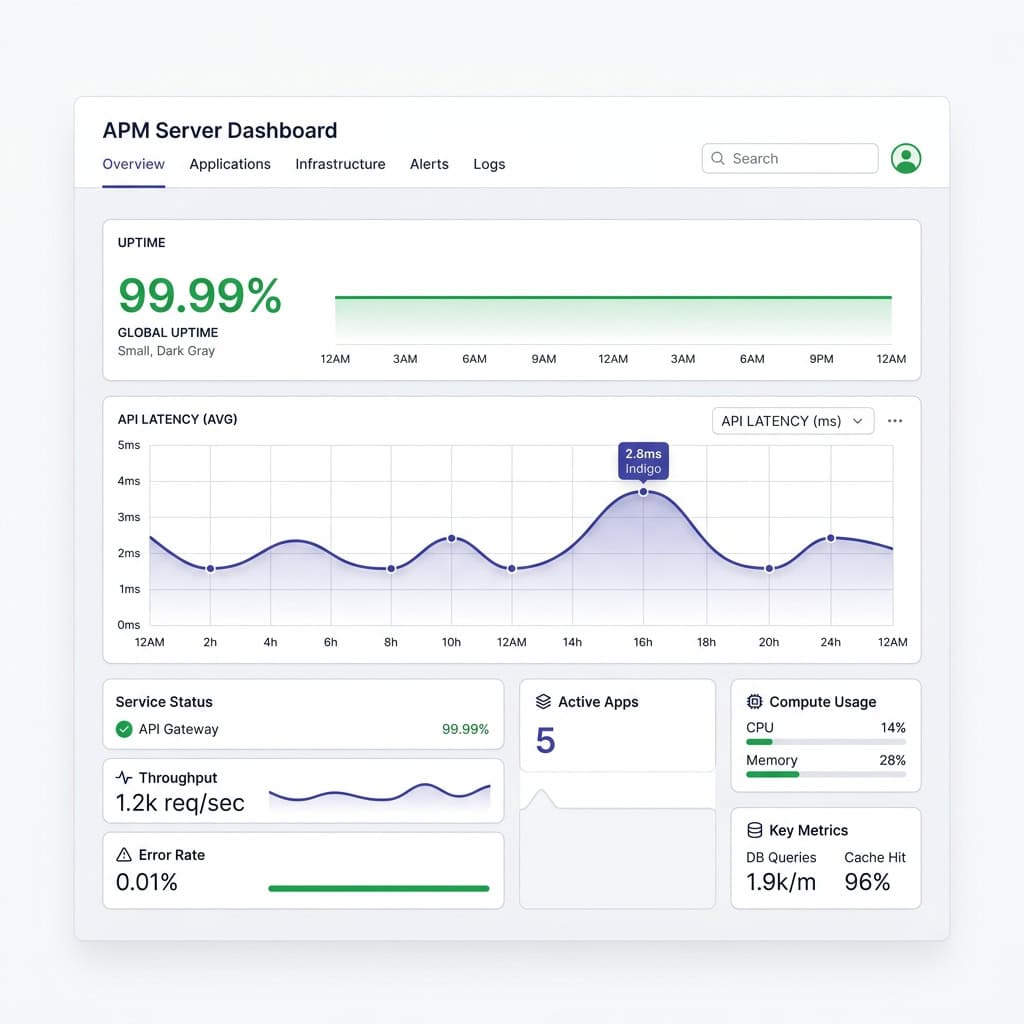
FREIGHT QUOTE TURNAROUND
24 hrs → instant
DESKTOP PAGE LOAD (LCP)
>4s → <2.5s
PRODUCT FEED APPROVED
98%+ daily
After go-live
An ERP that nobody maintains degrades within a year. We stay on after launch with monitoring on the workflows that actually matter — order sync, inventory accuracy, feed health and integration errors — plus backups and a named person to call when something breaks. Support is a retainer, scoped to what your system actually needs rather than a fixed package.
Frequently Asked Questions
What does an Odoo implementation actually cost?
Most of our projects run between $15,000 and $60,000, with smaller fixed-scope builds starting around $5,000 and complex work — custom configurators, freight logic, multi-channel migrations — reaching $100,000. The licence is rarely what decides the budget; implementation is. Odoo contracts Enterprise licences directly with you, not through us. Full breakdown on our pricing page.
Why customise Odoo instead of using it out of the box?
Mostly you shouldn’t. We use standard Odoo wherever it fits, because every custom module is something that has to survive future upgrades. But growing retail rarely fits a template exactly, and generic systems tend to force you to break a profitable process just to match the software. We customise only where your operation genuinely differs — and we’ll tell you when the honest answer is to change your process instead.
How do you stop stock disagreeing across channels?
By making Odoo the single record every channel reads from, rather than one of several systems each holding its own count. In practice most of the work is upstream of the integration: cleaning the item master so every listing maps to one internal SKU, then defining available-to-sell properly — on-hand minus committed, reserved and allocated stock — so channels never advertise units you can’t ship.
What storefront and marketplace integrations do you support?
Shopify, WooCommerce, Magento and custom headless storefronts, plus marketplace and 3PL connections. We build bidirectional pipelines for orders, customer records and live inventory. Where a reliable connector already exists we use it; where it doesn’t, or where it breaks on your product structure, we build one.
How does a project actually run?
A fixed-scope scoping phase first, which produces a blueprint you own whether or not you continue with us. Then build, data migration, cutover and the first weeks after go-live. We map your physical operations before writing code, and you talk to the engineer doing the work throughout. The part clients underestimate is data: cleaning the item master is usually where a timeline slips, so we agree who owns it before starting.
When is Odoo the wrong choice?
If you’re single-channel and under about $1M, a good inventory app will serve you better for a fraction of the cost. If your complexity is financial rather than operational — multiple legal entities, consolidated reporting, revenue recognition — that’s closer to a NetSuite conversation. If you need it live in three weeks, or nobody internally can own the system after launch, it won’t go well. We’d rather say so on the first call than three weeks into a scoping engagement.
Tell us what’s breaking
A 30-minute call. We’ll ask what your stock looks like on a Monday morning and tell you honestly whether this is worth doing.